Styria: the regions, grapes and estates of southern Austria
Styria (Steiermark) is Austria’s south: steep hills, forest and vineyards on the Slovenian border. On only about 5,100 hectares it grows mostly white wines, dry and fresh, and its Sauvignon Blanc is counted among the best in the world.
A land that shrank and came back
Vines have grown here since the Celts. In the 16th century Styria’s vineyards covered some 35,000 hectares, and in the 19th century Archduke Johann, who set up an experimental vineyard in 1822, promoted quality wine. After the First World War part of the vineyards ended up on the Slovenian side of the new border, and by the 1960s only about 1,600 hectares were left.
The turnaround came after the Austrian wine scandal of 1985. In 1986 leading estates, among them Manfred Tement, formed the group Steirische Klassik, which made dry wine and Sauvignon Blanc the flag of the region. In 2007–2008 it became STK, and the association classified the vineyards itself: 1STK for a first vineyard and GSTK for a great one. Since the 2018 vintage Styria has three designations of origin, one DAC for each region, each with three levels: regional wine (Gebietswein), village wine (Ortswein) and vineyard wine (Riedenwein). They are harvested by hand.
Südsteiermark: Opok and slopes
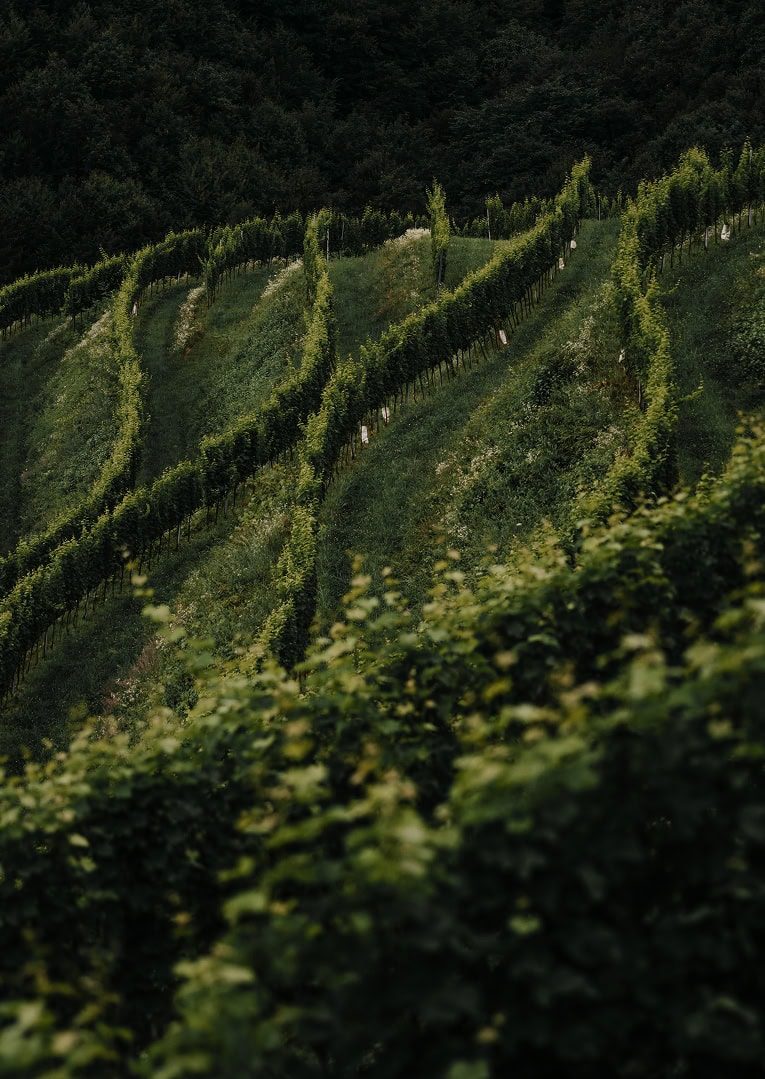
Südsteiermark, between Leibnitz and the Slovenian border, is the largest and best known of the three. The vineyards are very steep, and at Kitzeck-Sausal the gradient passes 100%. The soil most tied to it is Opok, a marl left by the Paratethys sea 15 to 18 million years ago, alongside shell limestone, clay and slate. On the hills stands the Klapotetz, a wooden windmill that clatters to scare birds from the vineyard and is the symbol of Styrian wine.
In Ehrenhausen Armin and Stefan Tement farm about 80 biodynamic hectares. Their cellar is carved into an ancient coral reef, above the Zieregg vineyard. To the north, in Kitzeck im Sausal, Austria’s highest wine village, the Wohlmuth family has made wine since 1803, on slate and on slopes where hand work reaches 1,200 hours a hectare. Tement · Wohlmuth.
Vulkanland: 40 volcanic vents
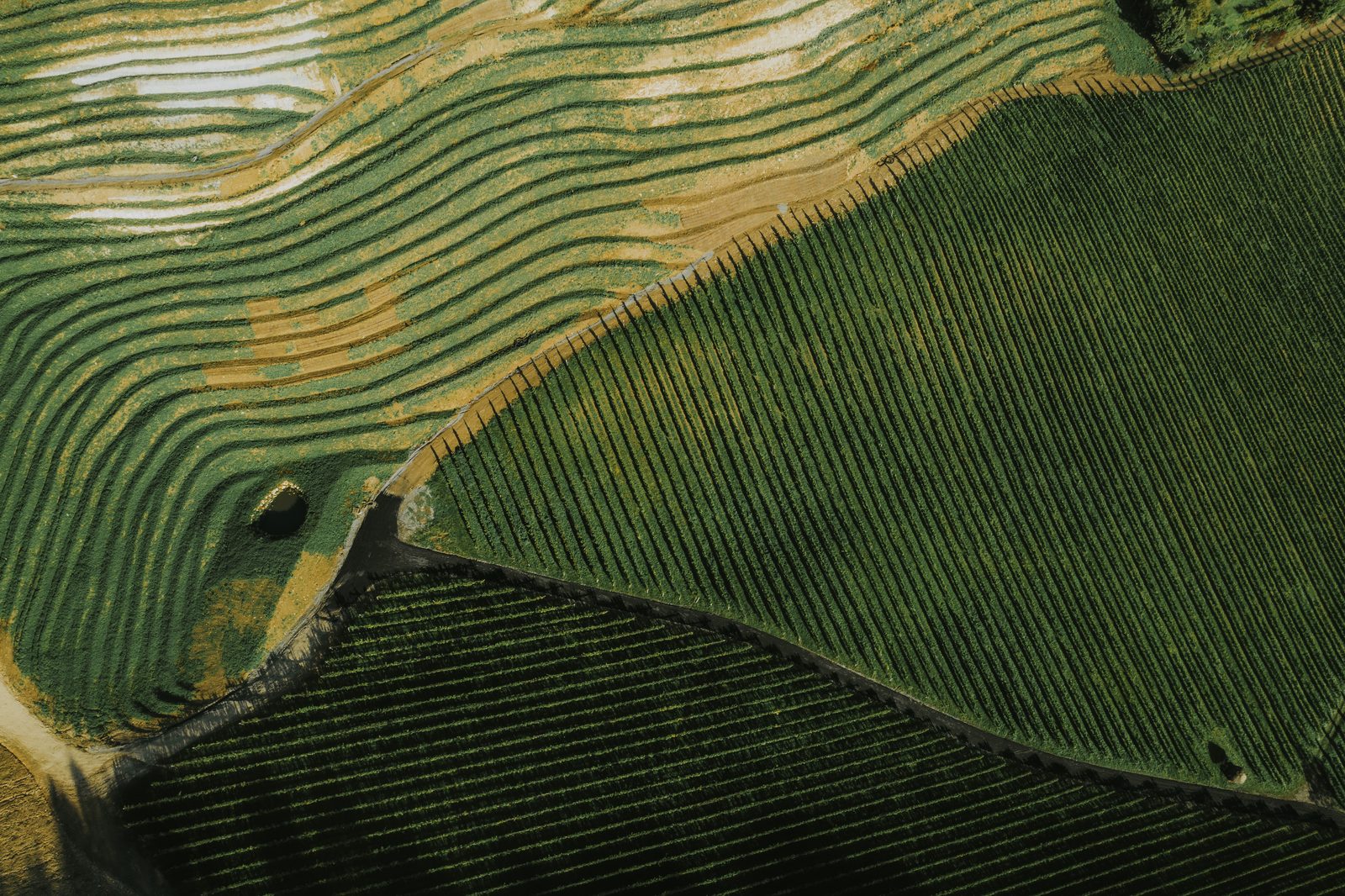
In the south-east, up to the borders with Slovenia and Burgenland, lies Vulkanland Steiermark. Until 2016 it was called Südoststeiermark, and it takes its new name from the traces of some 40 extinct volcanic vents. In practice only a small part of the vineyards sits on volcanic rock, basalt and tuff, and the rest on gravel, sand and clay over a limestone base. The warm, dry Pannonian climate meets the moist air from the Mediterranean here, and warm days and cool nights keep aroma and acidity.
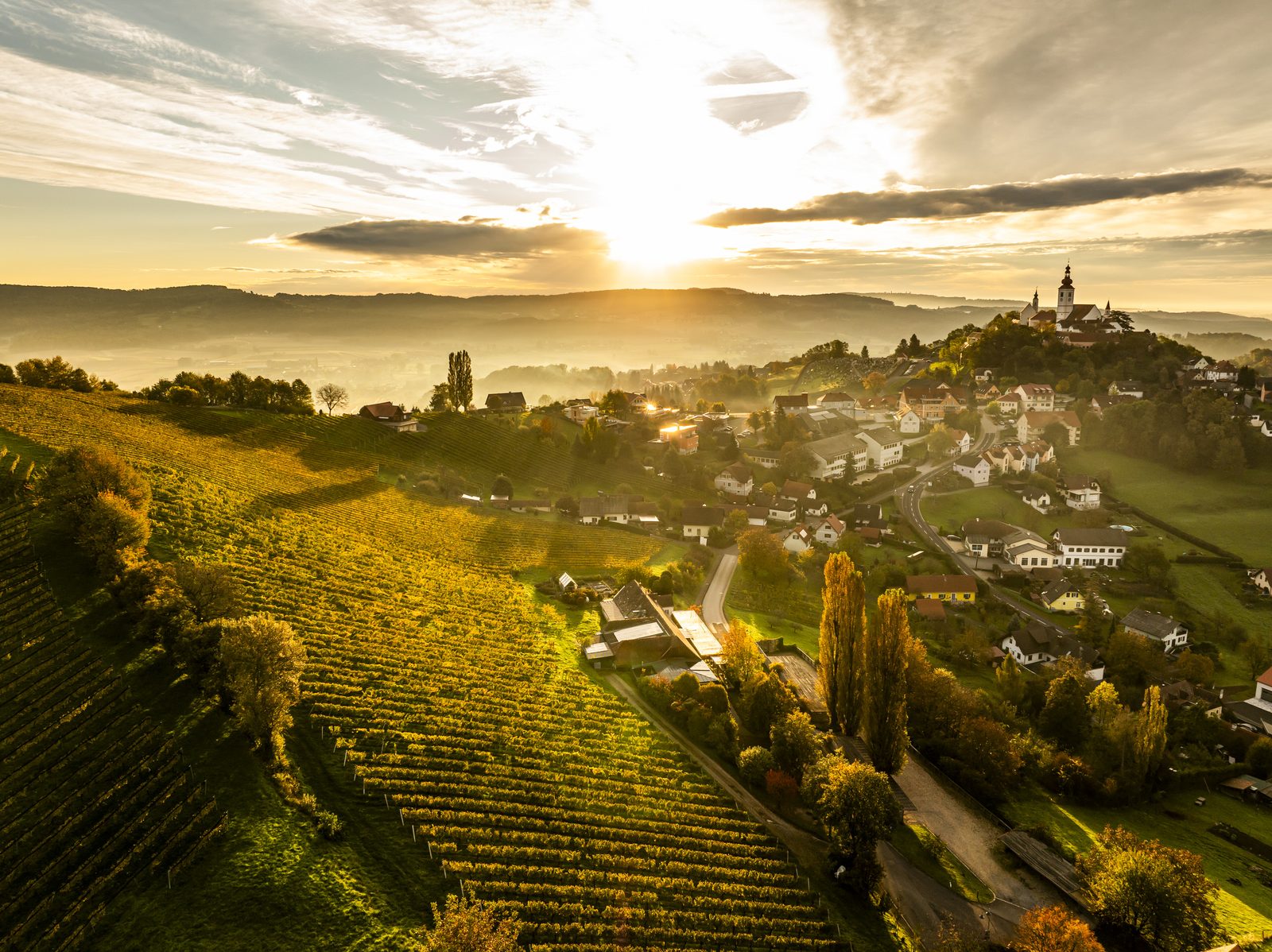
In Straden works Christoph Neumeister, third generation and a Falstaff “winemaker of the year”, on 30 hectares around the village. The vineyards reach nearly 400 metres and a gradient of up to 65%, on basalt, limestone, loess and Sarmatian gravel, and they have been certified organic since 2013. All his whites get a short skin contact before fermentation, which is where their grip comes from. Organic, biodynamic, natural: the difference.
Weststeiermark: the land of Schilcher
In the west, at the foot of the Koralpe, lies the smallest of the three. Its grape is Blauer Wildbacher, a red grape that makes Schilcher, a dry, pale rosé with very sharp acidity. You will hardly meet it outside Austria.
Across the border: Slovenian Styria
Historic Styria does not end at the border. South of it runs Štajerska, with the same grapes and the same soils. Tement works on this side too, and in Haloze, on single-row terraces and on Opok, Michael and Maria Gross of Vino Gross work. About 70% of the estate’s wines are bottled with no added sulphur. Vino Gross.
The grapes of Styria
Sauvignon Blanc: the most planted variety, about a fifth of the vineyards, and the wine that built the region’s name.
Welschriesling: Styria’s traditional white, light and high in acid. It is at home in Moravia too.
Morillon: the Styrian name for Chardonnay, usually finer and more mineral than in Burgundy.
Weissburgunder: Pinot Blanc. On limestone soils it gives a restrained, textured wine.
Gelber Muskateller and Traminer: the aromatic ones. The first is dry and fresh, and the second is the jewel of Vulkanland.
Blauer Wildbacher: the grape of Schilcher, in Weststeiermark.
And at the start of November Styria releases Junker, the young wine of the latest harvest. It is not part of the DAC, and it is the first wine of the year to reach the table.
Five bottles from Styria
Questions
30.10.2026