Orange wine: what it is, how it's made and what to drink
Orange wine is a white wine made the way red wine is made: the juice ferments together with the grape skins. From the skins it takes its amber colour, a gentle tannin and a texture that ordinary white wine doesn't have. And there are no oranges in it.
How orange wine is made
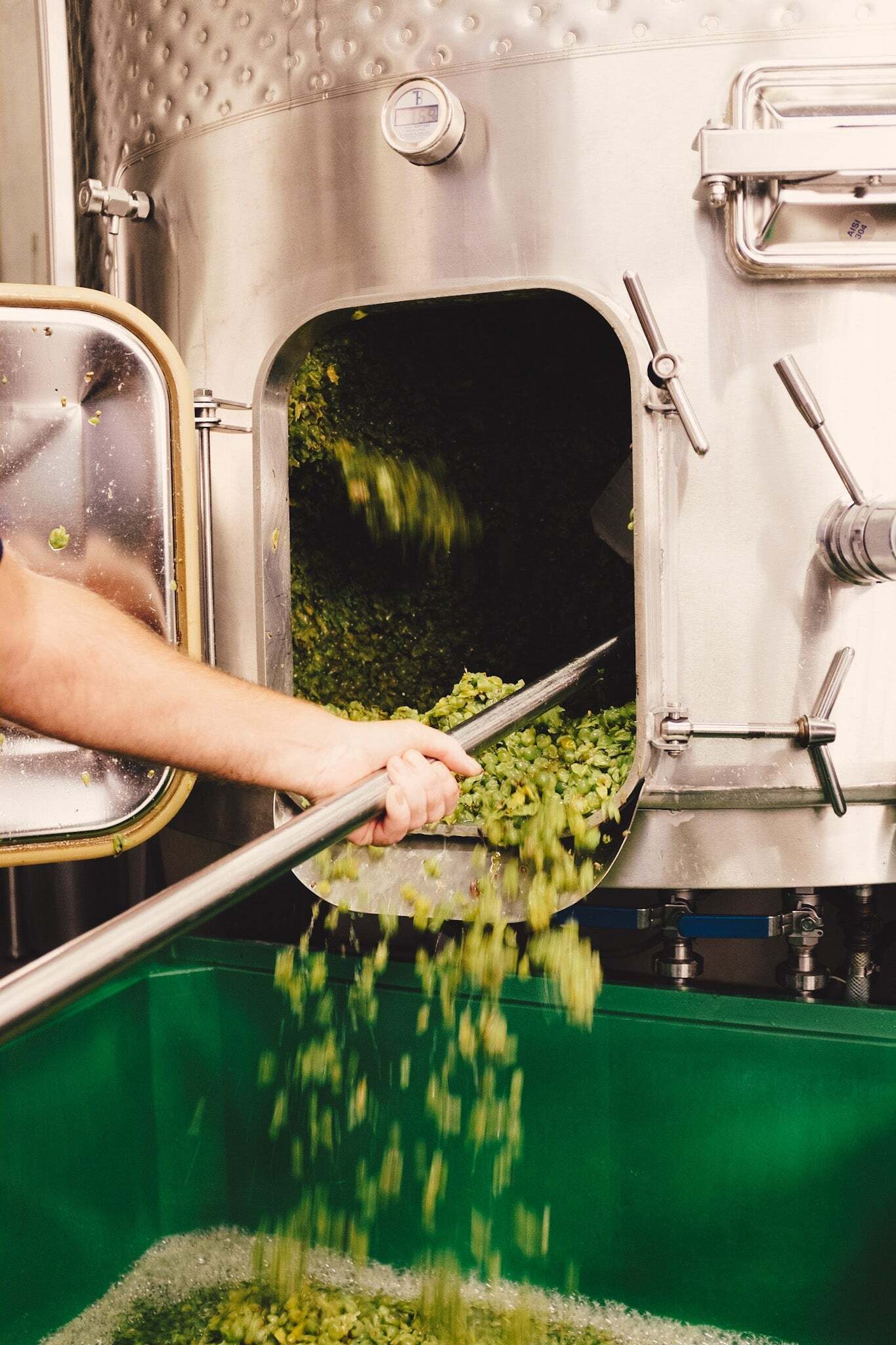
For an ordinary white wine the grapes are pressed and the juice is separated from the skins straight away. For an orange wine the skins stay with the juice while it ferments, sometimes for a few days and sometimes for several months. This is called skin contact.
The longer the skins stay, the darker the wine, the more noticeable the tannin and the deeper the flavours: dried fruit, tea, spices, citrus peel and nuts. Short contact gives a light, fresh wine that is easy to drink.
Where it comes from
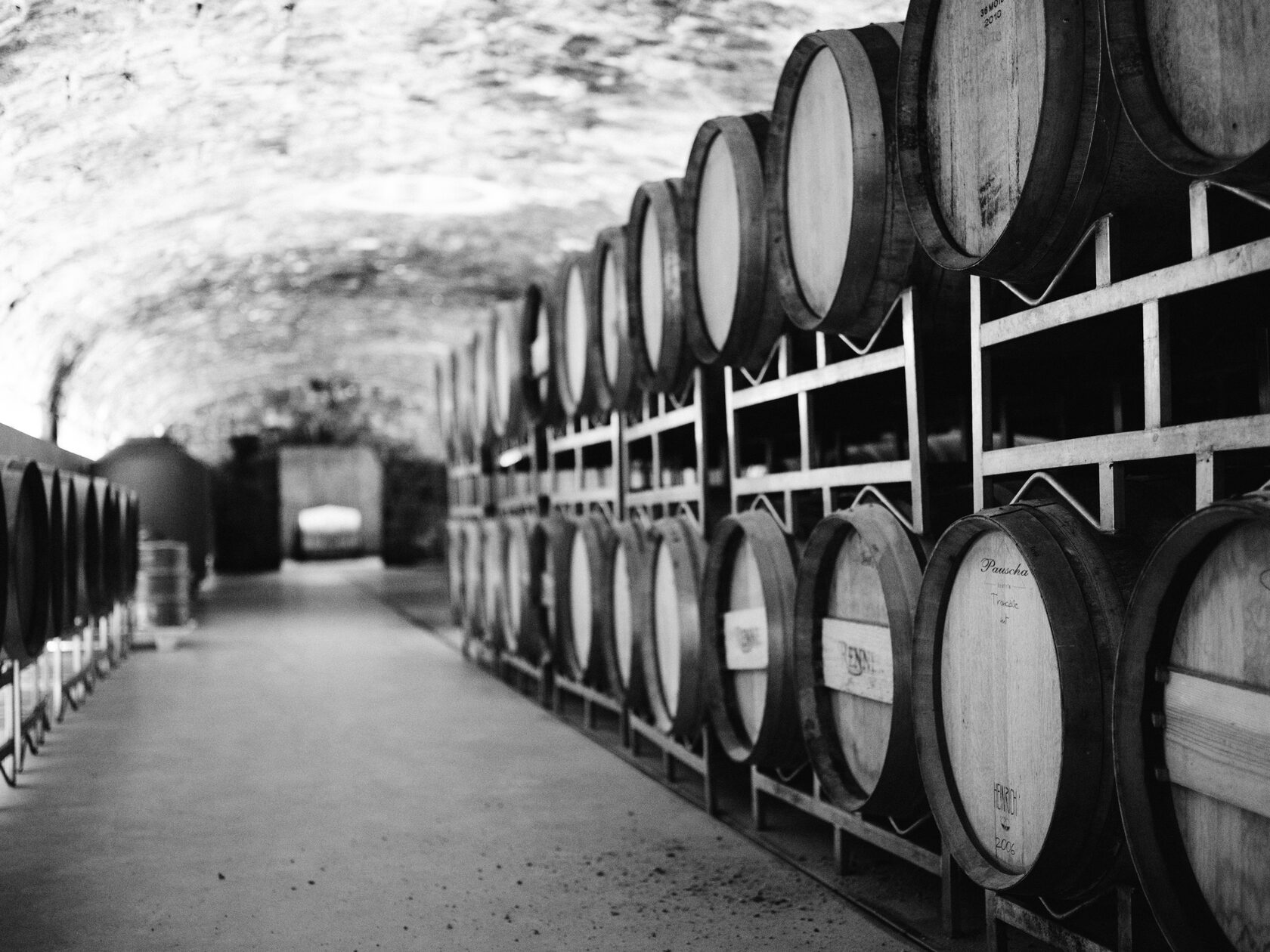
It is one of the oldest ways of making wine. In Georgia, white grapes have been fermented on their skins in clay jars buried in the ground, qvevri, for thousands of years. At the end of the 1990s winemakers in north-eastern Italy and Slovenia brought the method back to Europe, and from there it spread to Austria, Germany and the rest of the world.
Easy orange and complex orange
In the MONVIN shop the orange wines come in two kinds. Easy orange: a few days of skin contact, gentle tannin and bright fruit. A wine for lunchtime. Complex orange: weeks of skin contact, structure and tannin, a wine for the table that changes in the glass.
Orange wines worth knowing
How to serve it
Not too cold: 10–14°C. Orange wine is good with spiced food, roasted vegetables, tahini, smoked fish and hard cheeses. In other words, with the food of the Eastern Mediterranean.
Questions
20.10.2026