Natural wine: what it is, how it’s made and what to drink
Natural wine is wine made with as little intervention as possible. Grapes from an organic or biodynamic vineyard, picked by hand, fermented with the yeasts that come in from the vineyard, and almost nothing added in the cellar. The result is a living wine that shows the vineyard, the year and the winemaker.
There is no single definition
In most of the world "natural wine" is not a term defined by law. Even so, most natural winemakers agree on a few principles:
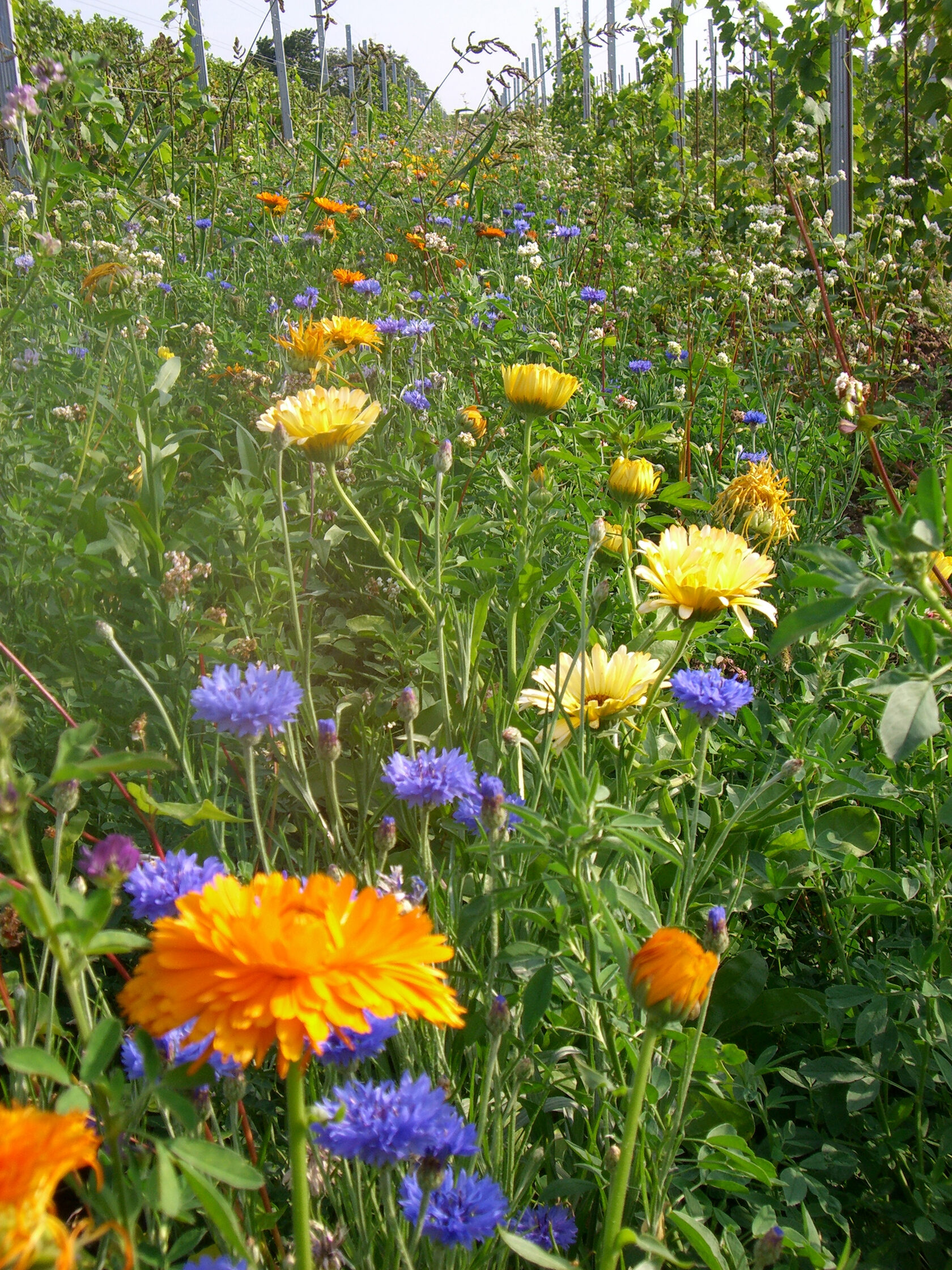
In the vineyard: organic or biodynamic farming, no synthetic pesticides or fertilisers, and picking by hand.
In the cellar: spontaneous fermentation with wild yeasts. No added sugar, acid, enzymes or commercial yeasts.
In the bottle: no fining and no filtering, or only a light filtration. A little sulphur, or none at all.
Since 2020 France has had an official label for natural wine, Vin Méthode Nature, with written rules. Everywhere else you rely on the winemaker.
Zero-zero
"Zero-zero" is the far end of natural wine: nothing added and nothing taken away. No added sulphur, no fining and no filtering. Pittnauer's Rose Dogma and Martin Vajčner's Welschriesling Hnanice II are wines like this.
What about sulphur?
Sulphur (sulphites) protects wine from oxidation and bacteria. Most of the world's wine gets it at several stages. Natural winemakers add a little, usually only before bottling, or none at all.
Even when nothing is added, the yeasts make a small amount of sulphites themselves during fermentation. That is why we write "no added sulphur" and not "sulphur-free".
Natural, organic, biodynamic
"Organic" and "biodynamic" describe the work in the vineyard, and both have official certification. "Natural" also describes what happens in the cellar. Almost every natural wine comes from an organic or biodynamic vineyard, but wine from organic grapes can be made in an entirely conventional way.
How it looks and tastes
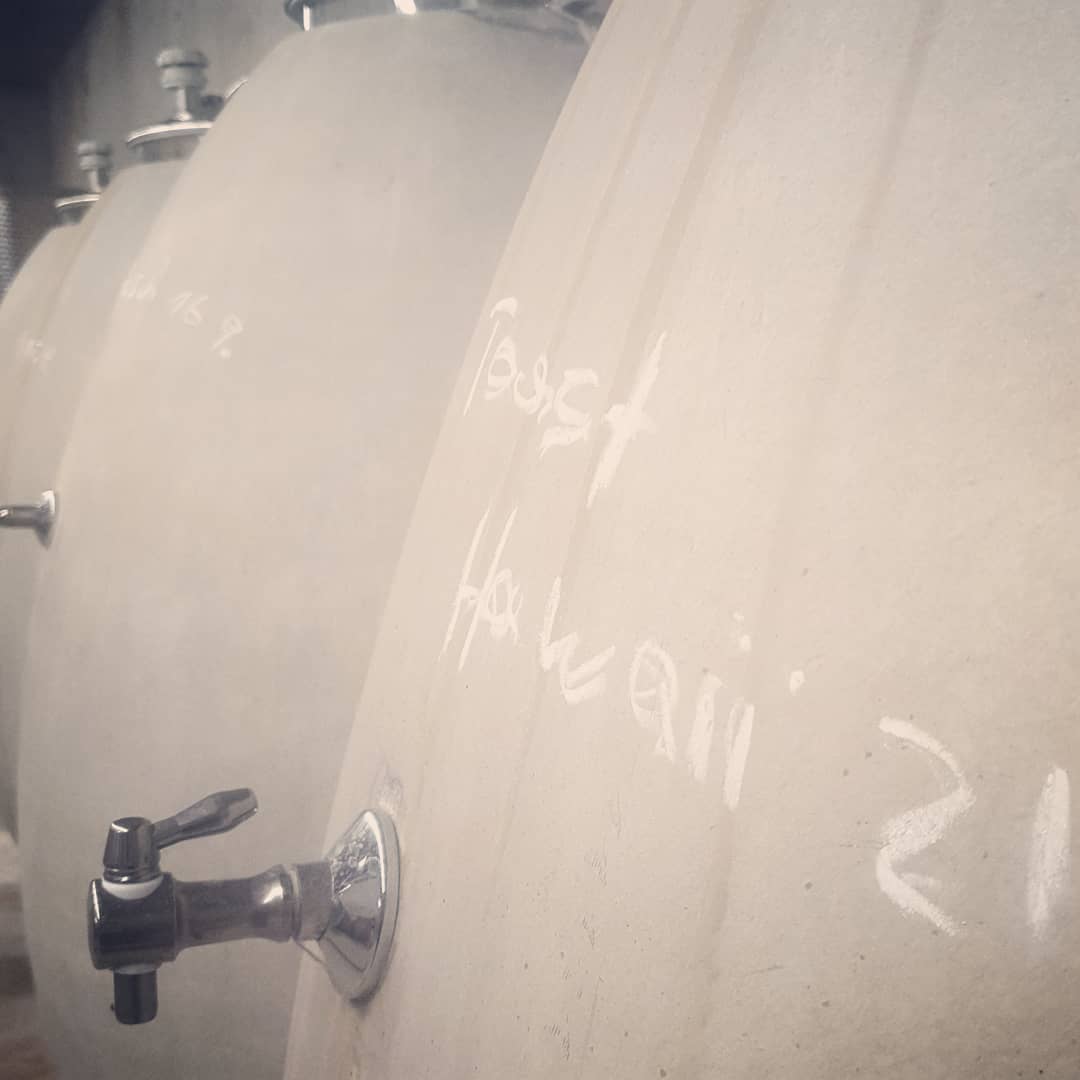
Natural wine can be a little cloudy, with sediment at the bottom of the bottle or a slight prickle when you open it. The flavours are usually lively and direct, with fresh acidity and the fruit up front. There are also deep, complex natural wines that age for years.
Natural is not one style. There are whites, chilled reds, orange wines, rosés and bubbles. In a good natural wine the taste is clean and precise, not "farmyard".
Natural wines worth knowing
Serving and storing
Serve whites, orange wines and bubbles cold. Light reds are best slightly chilled, around 14–16°C.
Keep the bottles somewhere cool and dark. Wine with no added sulphur is more sensitive to heat, so don't leave it in the car on a summer day.
If there is sediment, stand the bottle upright for a few hours first and pour slowly. Many natural wines open up and are even better on the second day.
Questions
Want more? Our guide to orange wine
21.10.2026