Burgenland and Lake Neusiedl: regions, grapes and estates
Burgenland is Austria’s easternmost province, on the Hungarian border, and in the heart of its northern part lies Lake Neusiedl. Around the lake are three very different wine worlds: the hills of Gols to the north, the Leitha range to the west, and the flat, salty Seewinkel to the east. Most of the estates in our catalogue come from here.
A steppe lake
Neusiedl is a steppe lake, one of the largest in Europe: very wide and very shallow, an average of a metre and a half deep, with slightly salty water and one of the largest reed belts on the continent. It stores the day’s heat and gives it back at night, softening the hot, dry Pannonian climate around it. Most of the Austrian part of the lake still belongs to the Esterházy family.
Until 1921 Burgenland was part of Hungary, and the southern tip of the lake is still Hungarian. Since 2001 the lake and the cultural landscape around it, including the old town of Rust, have been a UNESCO World Heritage site, and its Austrian side has been a national park since 1993.
Gols: the hills north of the lake
Gols, on the north-east shore, is the capital of Burgenland red wine. The vineyards climb from the lake to the Parndorf plateau, with its red gravel, and run down to the warm Heideboden plain. In 1994 seven Gols winemakers founded Pannobile, an association committed to local grapes: since the 2006 vintage, red wine labelled Pannobile is made only from Blaufränkisch, Zweigelt and St. Laurent, and every vintage goes through a blind tasting by the members. Hans Nittnaus coined the name, and Pittnauer joined in 1998.
Four of our estates work here: Gerhard and Brigitte Pittnauer, Hans and Anita Nittnaus, the Renner siblings of Rennersistas, and Felix and Alex (Handle with Care), who make their wine in Claus Preisinger’s cellar. Gols is also one of the centres of Austrian natural wine. What is natural wine.
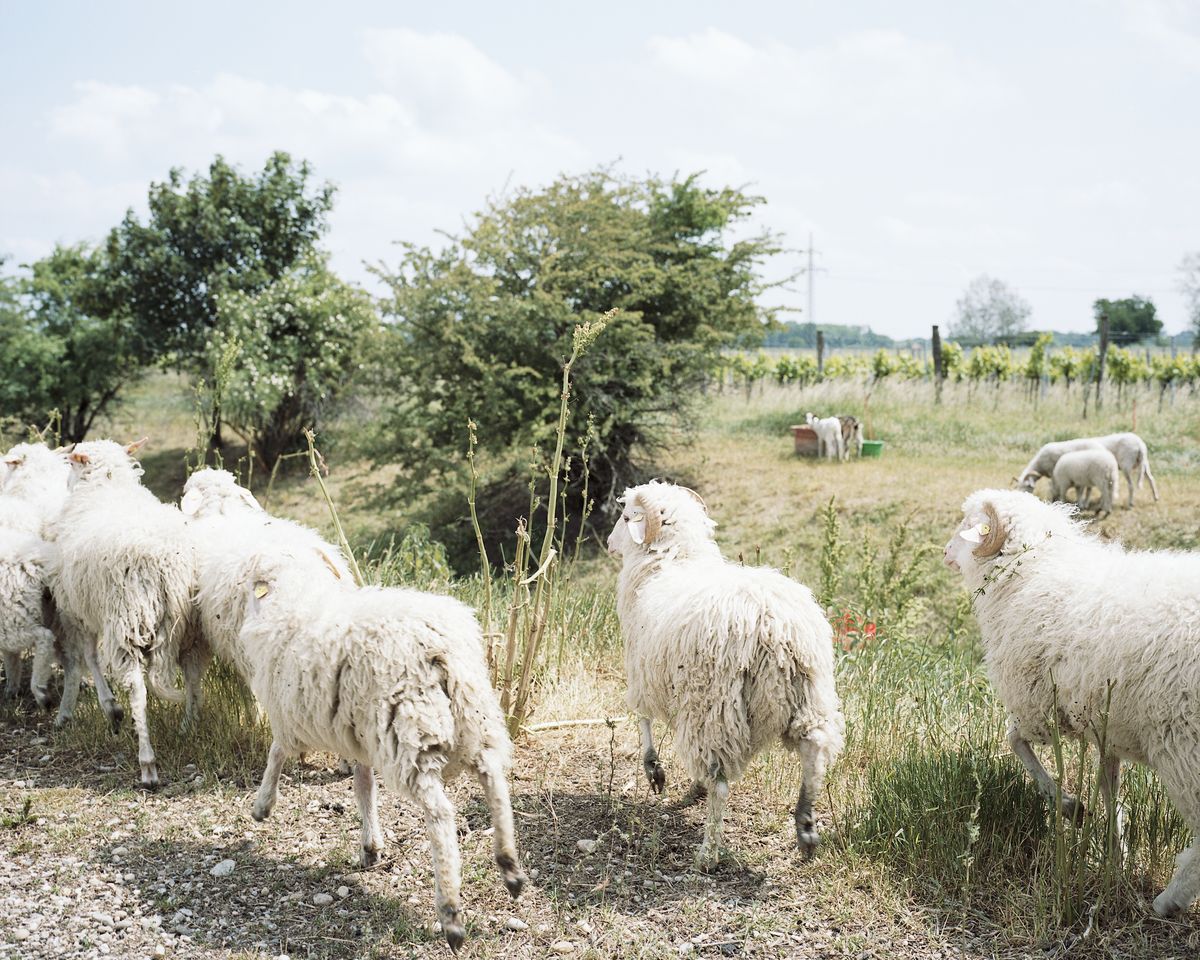
Almost all of our estates around the lake farm biodynamically. Pittnauer was among the founders of respekt-BIODYN in 2007, Nittnaus has been biodynamic since 2006, and Rennersistas are Demeter certified. Organic, biodynamic, natural: the difference.
The Leitha range: limestone and schist
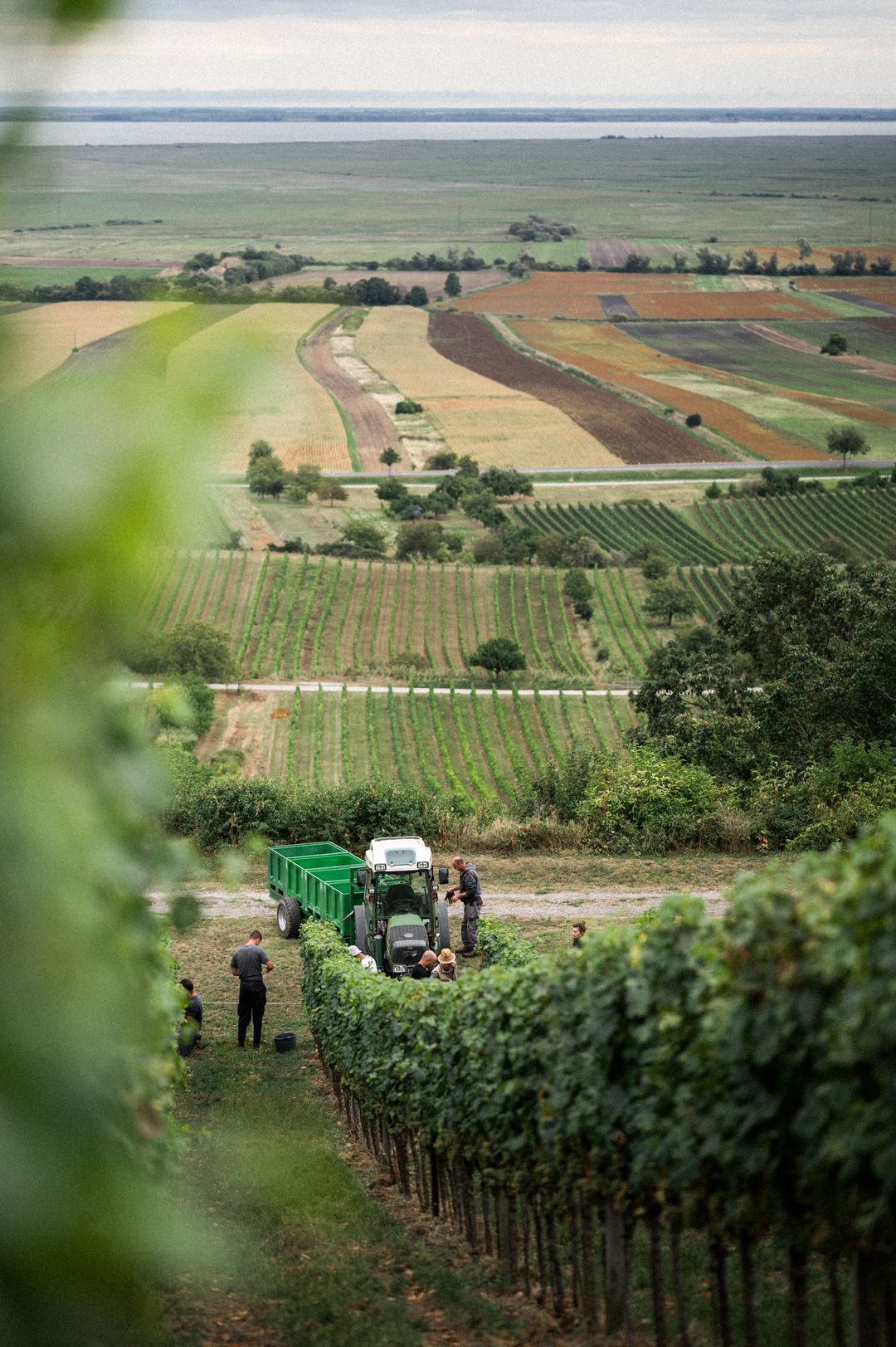
Along the west shore rises the Leitha range, forest on the top and vineyards on the slopes, on limestone and mica schist. The forest cools the vineyards at night, and this is a land of mineral whites, Pinot Blanc, Chardonnay and Neuburger, and of taut Blaufränkisch. The Leithaberg DAC was the first origin system in Austria to allow both white and red.
In Donnerskirchen works Leo Sommer, who names each wine after its soil, like Quarz (quartz), Sandstein (sandstone) and Kalkschicht (limestone layer). In Breitenbrunn Felix and Alex have a Grüner vineyard on deep limestone. Purbach has a lane of about fifty historic cellars, and in Oggau works Gut Oggau, one of whose bottles convinced Martin Werner, Marto, that wine can be made with no added sulphur.
And at the south end of the range lies Rust, Austria’s smallest statutory city. In 1681 Rust bought its status as a free city from the Hungarian crown for 60,000 guilders and 500 barrels of Ausbruch, its sweet wine.
The Seewinkel: salt lakes and noble rot
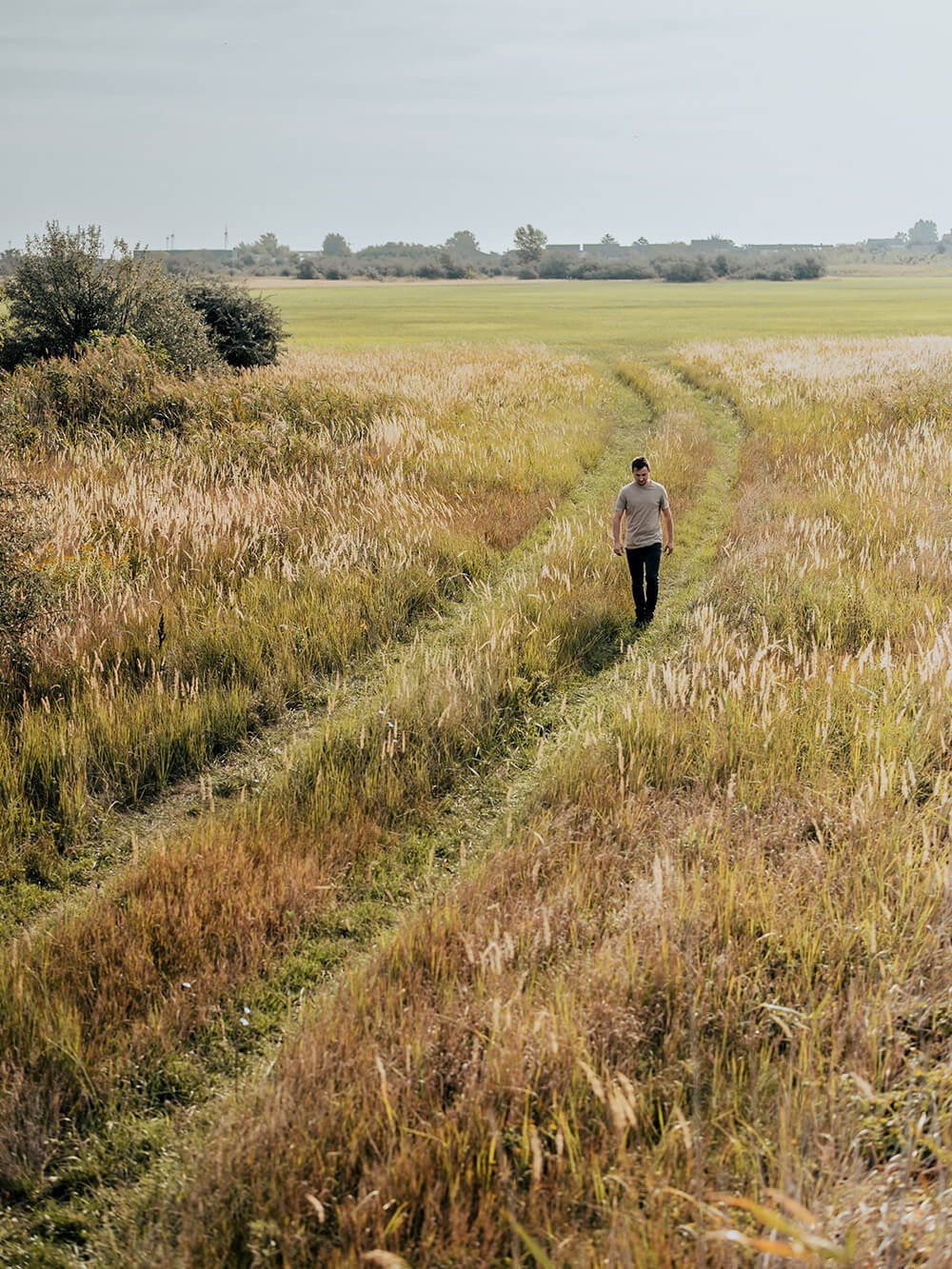
East of the lake, as far as the Hungarian border, stretches the Seewinkel: a flat steppe plain dotted with shallow salt lakes that dry up in summer, at the lowest point in Austria. Part of it is national park. The humidity of the lake and the ponds helps noble rot, so this is also a land of sweet wines.
In St. Andrä am Zicksee work Andreas and Elisabeth Ziniel, on chalky, salty soils. Andreas credits the salt lakes for the salinity in all his wines. “It is hot here,” he says, “so what matters is freshness and lively acidity.”
And south of the lake
South of the lake Burgenland runs on into Blaufränkisch country: Mittelburgenland, where Burgenland’s first DAC was born in 2005, and little Eisenberg in the south, with mineral, elegant Blaufränkisch. Between them is Rosalia, Burgenland’s smallest wine region.
The grapes around the lake
Blaufränkisch: Burgenland’s great red, with dark fruit, spice and acidity.
Zweigelt: the grape of the Neusiedlersee DAC, fruity, with cherry and spice.
St. Laurent: a delicate red, a relative of Pinot Noir.
Pinot Blanc, Chardonnay and Neuburger: the whites of the Leitha range. Ziniel calls Pinot Blanc by its local name, Klevner.
Welschriesling: a fresh, salty white, called Risla in Burgenland. It is at home in Moravia too.
Muskateller: an aromatic, dry Muscat.
A short trip around the lake
Questions
Keep reading: Our guide to Austrian wine · All our producers
29.10.2026