Unfiltered wine: why it is cloudy and what the sediment means
A cloudy wine or sediment at the bottom of the bottle can sometimes look like a problem. In natural wine, they are usually a sign that the wine was not filtered: what was in the barrel reached the bottle as it was. In this guide we explain what filtering does, what happens when you do without it, and how to serve a wine like this.
What filtering does
Before bottling, most wines are fined and filtered. Fining adds a substance such as bentonite or egg white that collects particles and settles, and filtering passes the wine through a filter that holds back yeast, bacteria and grape remains. The aim is a clear, stable wine that will not change in the bottle.
The price is that filtering also takes something from the wine: some of the texture, the aroma and the weight in the mouth. That is why many natural winemakers prefer to do without it, and let time do the work.
How unfiltered wine is made
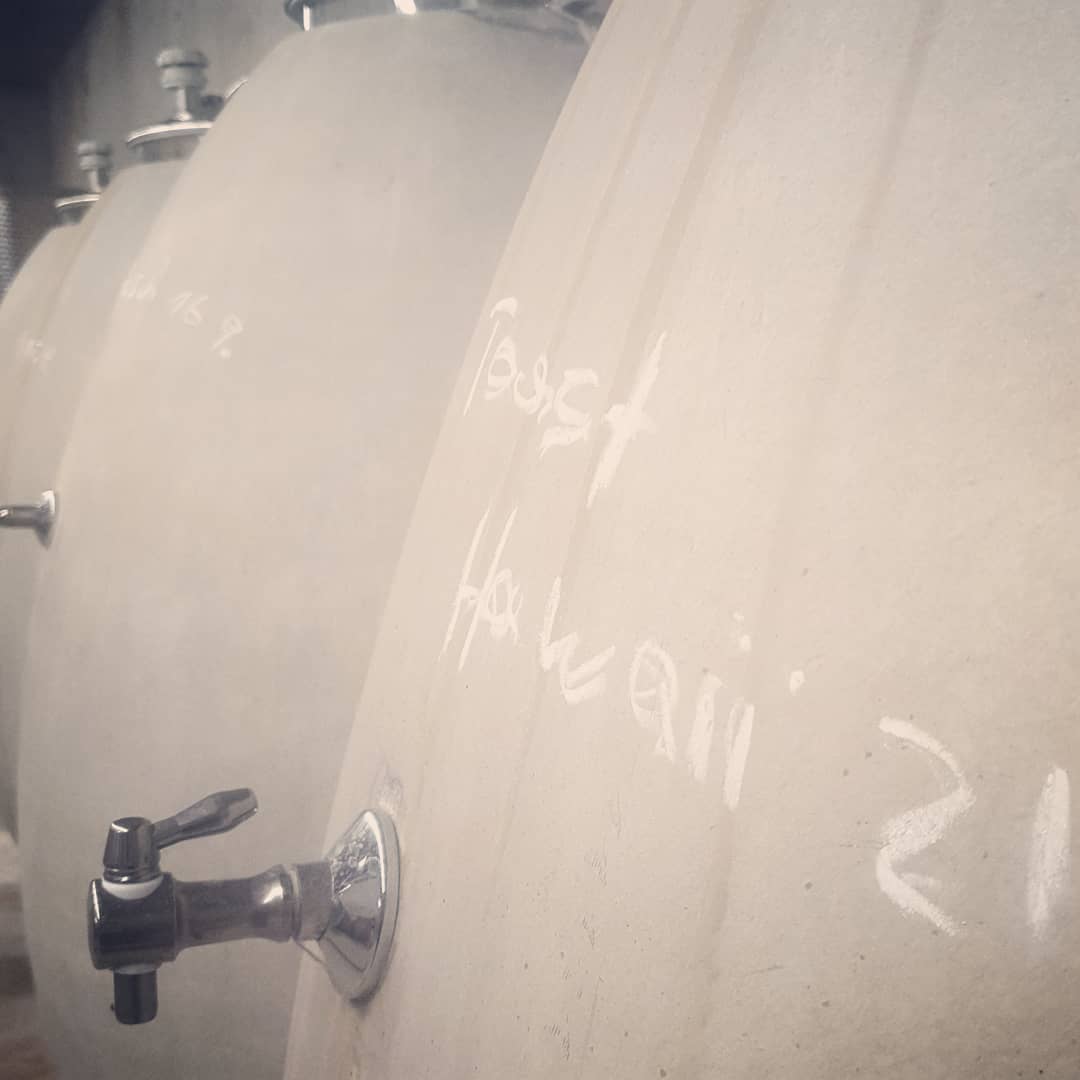
Instead of filtering, the wine is left to settle. It stays on its lees for months, the dead yeast sinks to the bottom of the barrel, and the clearer wine is moved to another vessel. What remains in it goes into the bottle. That is how many of our wines are made: Zillinger’s Popcorn, for example, finishes fermenting in a concrete egg and stays on its lees for long months before bottling.
What you see and what you feel
Haze: unfiltered wine can be slightly hazy, especially whites, orange wines and pét-nat.
Sediment: a thin layer at the bottom of the bottle. In a pét-nat that has not been disgorged, it is part of the style, as in Piri’s Pét-Nat Weiss. The guide to pét-nat.
Texture: unfiltered wine usually feels fuller and rounder in the mouth, and sometimes slightly grainy.
Crystals: sometimes clear crystals appear at the bottom or on the cork. These are tartrate crystals, which form in wine that was not cold-stabilised. They are harmless.
How to serve it
If you want a clearer wine, stand the bottle upright for a few hours before opening, and pour slowly and gently, without tipping it over. Leave the last glass in the bottle. If you like a full texture, turn the bottle over gently once before opening, so the sediment spreads through it.
And if the wine changes in the glass, that is natural. Unfiltered wine keeps developing after it is opened, so it is worth coming back to it after a few minutes.
Six unfiltered bottles
Questions
14.11.2026