Pét-nat: what it is, how it’s made and what to drink
Pét-nat is a sparkling wine that gets its bubbles from its first, and only, fermentation. It is bottled before fermentation has finished, and the fermentation ends inside the closed bottle. The name is short for pétillant naturel, French for "naturally sparkling". The result is a light, cheerful wine, sometimes cloudy, with a gentle bubble.
How pét-nat is made
The juice starts fermenting in a tank, like any wine. While there is still a little sugar left, the winemaker bottles it and closes it. The yeasts go on eating the sugar inside the bottle, and the carbon dioxide they make stays trapped in the wine. Those are the bubbles.
No sugar is added and no yeast is added. Everything comes from the grapes. That is why timing is everything: bottle too early and there is too much pressure and a sweet wine; bottle too late and there are hardly any bubbles.
The old method
This is probably the oldest way of making sparkling wine, which is why it is also called the ancestral method (méthode ancestrale). By tradition, monks in Limoux in the south of France were making wine like this in the 16th century, before Champagne. In recent years natural winemakers have brought it back.
Pét-nat and Champagne
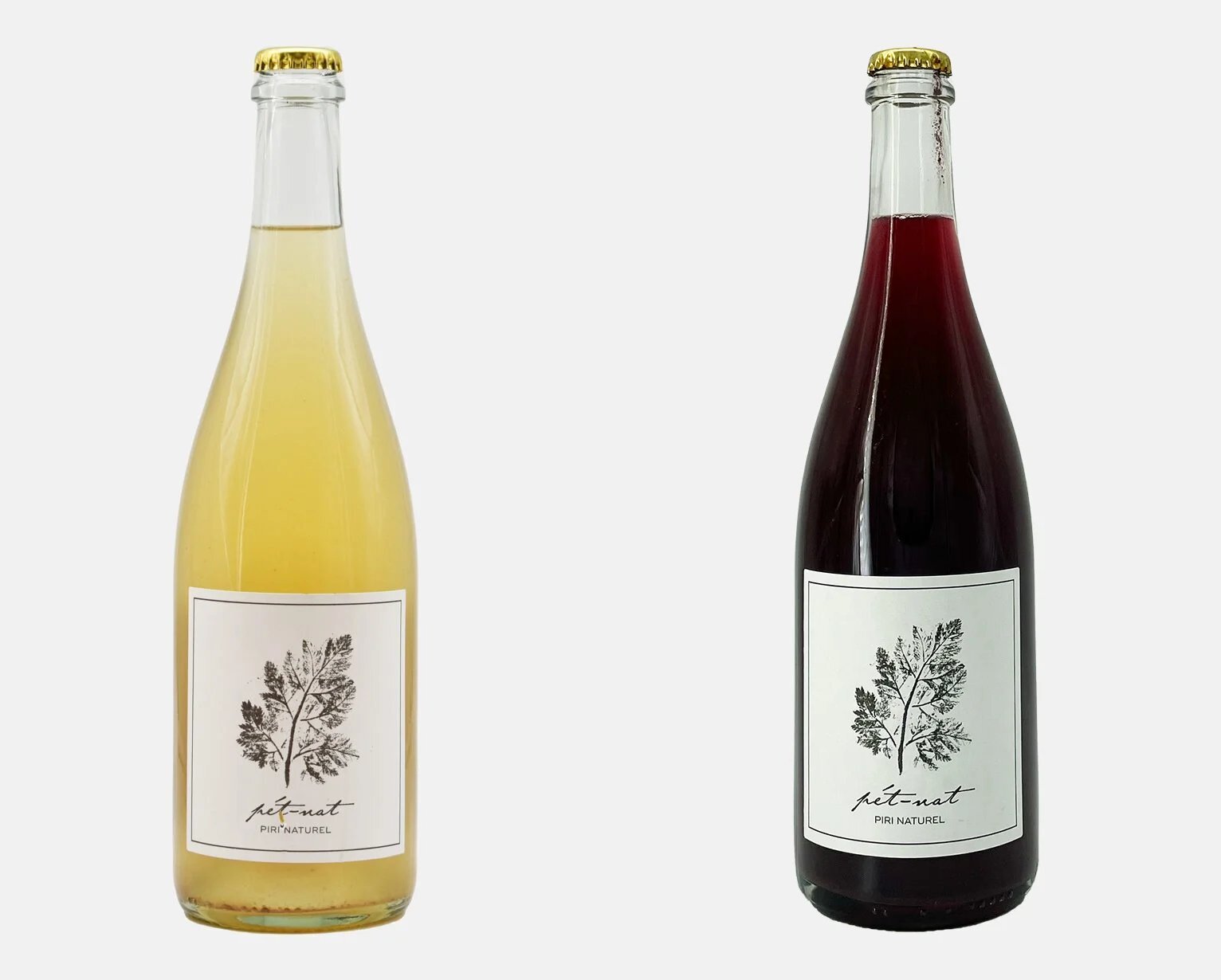
Pét-nat: one fermentation, which finishes in the bottle. The yeast sediment usually stays inside, so the wine is cloudy. It is usually closed with a crown cap, like beer, and the bubble is gentle.
Champagne and the traditional method: first a still, dry wine is made. Then sugar and yeast are added and it ferments a second time in the bottle. After months or years on the lees the sediment is removed (disgorgement), and usually a little sweet liqueur is added (dosage). The wine is clear, the bubble is strong and the cork is held by a wire cage.
How it tastes
Pét-nat is usually dry, fresh and fruity, with fairly low alcohol. In our shop there are pét-nats at 8.5% and 10%. Every bottle is a little different from its neighbour, because the fermentation goes its own way in each one. That is part of the charm.
Pét-nats worth knowing
And by the traditional method
Prefer fine bubbles and a clear wine? We also have two sparkling wines made by the traditional method:
Opening and serving
Chill it well, for at least a few hours. Pét-nat is best cold, at 6–8°C.
Open it slowly, over the sink or with a glass ready. A bottle of pét-nat can foam over as you open it, especially if it is not cold enough or has been shaken.
You can leave the sediment at the bottom and pour gently, or turn the bottle slowly before opening to mix it in. Both are right, and the sediment adds texture.
Pét-nat is good to start an evening, and with fried food, sushi, pizza and spicy dishes.
Questions
Want more? Our guide to natural wine · Our guide to orange wine
21.10.2026