Grüner Veltliner: Austria’s grape
Grüner Veltliner is Austria’s white grape. It makes a dry, fresh, salty wine with a scent of white pepper that almost no other grape has. You can drink it young and light at lunchtime, or keep a bottle from a great vineyard in the cellar for ten years.
Austria’s grape
Grüner is the most widely planted grape in Austria, grown in about a third of its vineyards. The name means “green Veltliner”. DNA tests showed that one of its parents is Traminer, and the other an old, rare vine found near the village of St. Georgen in Burgenland.
It grows mostly in the north-east of the country, along the Danube and north of Vienna. The Weinviertel, Austria’s largest wine region, is its biggest home. That is where Herbert Zillinger works.
How it tastes
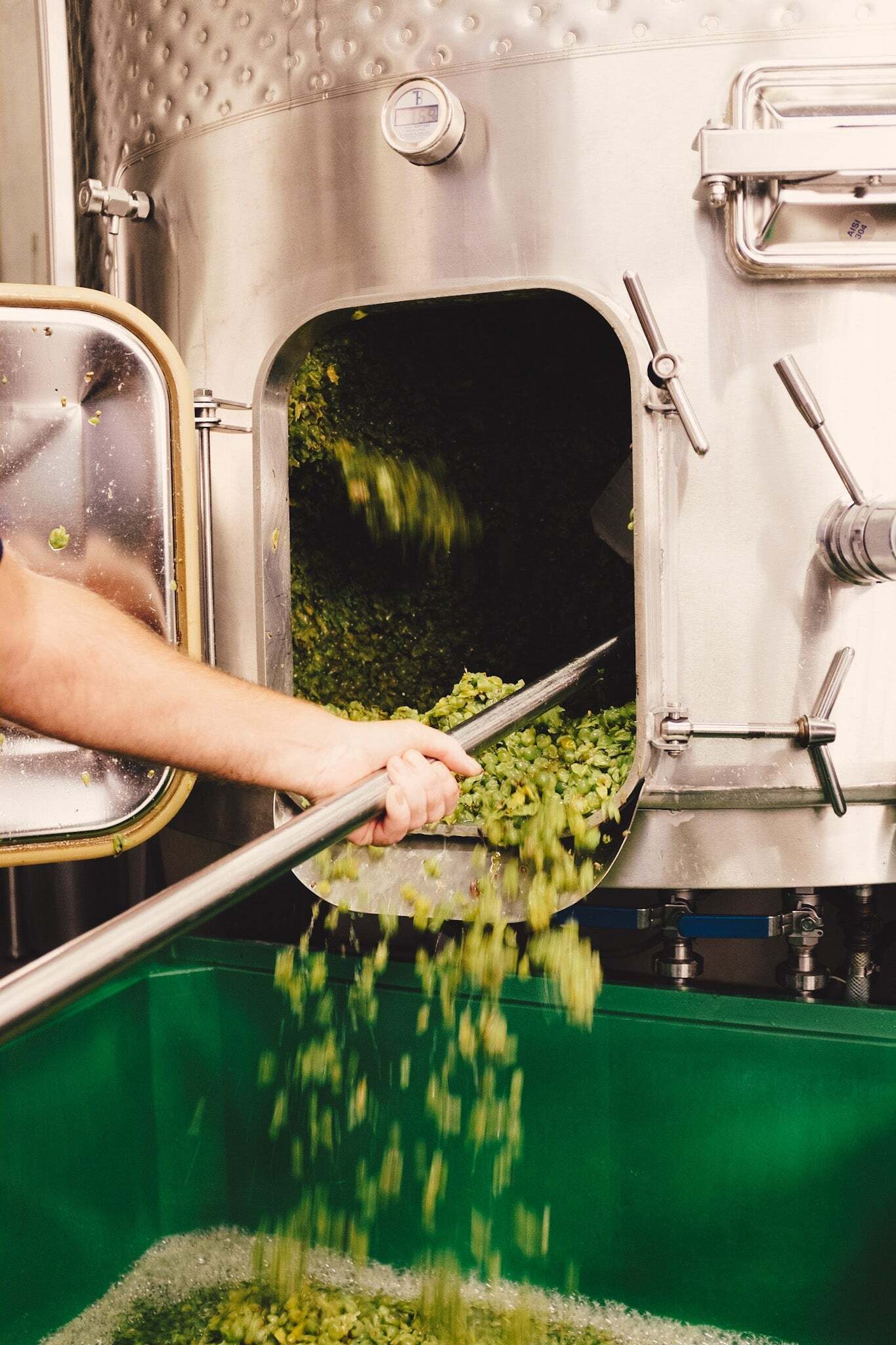
Young Grüner smells of lemon, grapefruit, green apple and pear, with herbs. Above all, white pepper. Austrians call it “Pfefferl”, the little pepper. On the palate it is fresh, with lively acidity and a salty finish.
Grüner from a good, riper vineyard is deeper and broader: yellow stone fruit, nuts, smoke and wet stone. With age it takes on notes of honey and toast, and stays fresh.
Soil and style
Loess: soft soil of sand and dust carried by the wind. It gives a juicy, fruity, approachable Grüner.
Limestone and rock: give a taut, mineral, long wine that suits ageing. At Zillinger you can taste the difference: Neuland grows on loess, Kalkvogel on pure limestone.
Orange Grüner: some natural winemakers ferment Grüner on its skins, which gives it a golden colour, texture and a gentle tannin.
Grüners worth knowing
How to serve it
Serve a light Grüner cold, at 8–10°C. A complex one slightly less cold, at 10–12°C, and a wide glass, like a Burgundy glass, suits it.
Grüner is one of the easiest wines with food. It goes with schnitzel, fish and seafood, salads and green vegetables, and spicy Asian food too.
Questions
Want more? Our guide to orange wine · Meet Herbert Zillinger
24.10.2026